
Understanding Luck in Gaming
Luck is often perceived as a mysterious force that influences the outcome of games of chance. Many individuals believe that skill is secondary, and chance is the key player at the gambling table. This belief sways players to rely on superstitions and personal rituals, convinced that these behaviors can impact their fortune. However, understanding luck goes beyond mere belief; it involves a recognition of statistical probability and the inherent randomness of games, especially for those seeking to enjoy a quick payout at uk casino fast withdrawal options available online. In essence, luck is merely a term used to describe the unpredictability of outcomes that players experience.
Each game, whether it be slots, poker, or roulette, has a set of odds that dictate the likelihood of winning. These odds are determined by various factors including the rules of the game and the strategies employed by players. While luck can certainly play a role in individual outcomes, it is important to recognize that sustained success in gambling often stems from a keen understanding of these odds and a strategic approach rather than pure luck. For instance, seasoned poker players leverage their knowledge of probabilities to make calculated bets, demonstrating that informed choices can often yield better results than blind reliance on luck.
Moreover, psychological factors can significantly influence one’s perception of luck. The phenomenon of “hot and cold streaks” often leads gamblers to believe they can predict outcomes based on previous results, which is a common myth. This misunderstanding can lead to poor betting decisions, making it critical for players to educate themselves about the true nature of luck in gambling. Recognizing that each spin of a slot machine or toss of the dice is an independent event, not influenced by previous outcomes, can help players form a more realistic outlook on their gambling experiences.
The Role of Skill vs. Chance
In many gambling activities, the interplay between skill and chance is complex. In games like poker, skill can significantly enhance a player’s chances of winning; strategic decision-making, reading opponents, and managing one’s bankroll are essential components. This highlights that, contrary to popular belief, skill can sometimes overshadow luck in determining success. Experienced players often leverage their knowledge to maintain a competitive edge, proving that luck alone cannot sustain long-term profitability. For example, a skilled poker player might fold at the right moment, avoiding losses that a less experienced player might incur due to misplaced optimism in their luck.
On the other hand, pure chance games such as slots or lotteries leave little room for skill-based strategies. Here, luck is the undisputed champion, with outcomes dictated solely by random number generators or similar mechanisms. However, while players may enjoy the thrill of these games, the concept of luck can still lead to misconceptions about winning consistently. Players may attribute their wins or losses to favorable or unfavorable luck, ignoring the statistical realities at play. Understanding that the odds remain constant can help players maintain a healthier perspective on their gambling activities.
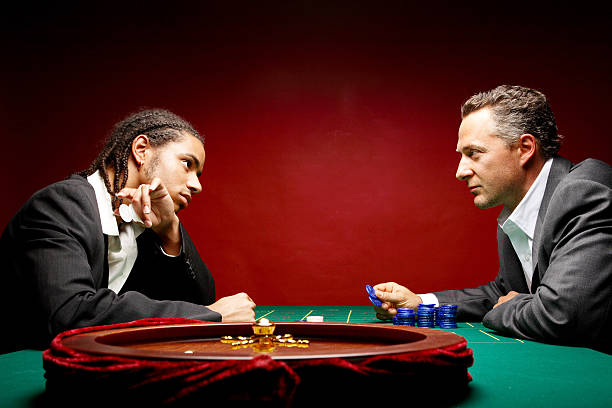
Understanding the balance between skill and chance can help players adopt a more informed approach to gambling. Those who recognize when to rely on skill versus when to accept the random nature of a game are likely to experience a healthier and more enjoyable gambling experience. This acknowledgment can ultimately transform how often players engage in games and how they handle wins and losses emotionally. Realizing that skill is a factor in some games encourages players to invest time in learning and improving, rather than becoming complacent and reliant solely on luck.
Debunking Superstitions in Gambling
Superstitions are rampant in the world of gambling, with players clinging to various rituals and beliefs in the hope of enhancing their luck. Common practices include wearing certain clothes, carrying lucky charms, or following specific routines. While these actions provide emotional comfort, they have no bearing on the actual outcomes of games. The reliance on superstition often clouds judgment, leading players to believe they can influence the randomness of gambling. For example, a player may insist on using the same betting strategy or ritual every time, believing it brings them luck, when in reality, it is a meaningless practice.
Psychologically, engaging in superstitious behavior can produce a sense of control in a random environment. For many, it’s reassuring to feel that they are doing something to sway outcomes in their favor. However, this belief can lead to the illusion of skill where none exists, resulting in poor gambling decisions and potential financial losses. Educational initiatives about the nature of gambling can help dispel these myths and encourage more rational behavior among players. Learning that luck is not a personal attribute but rather a statistical occurrence can empower players to make more logical decisions regarding their gambling habits.
Moreover, casinos and gaming establishments often capitalize on these superstitions, creating an environment that fosters them. From the layout of slot machines to the strategic placement of decor, the casino atmosphere can evoke feelings of good fortune or bad luck. By recognizing and understanding these tactics, gamblers can learn to separate emotion from rationality, resulting in more responsible gambling habits. Recognizing that the ambiance of a casino is designed to elicit specific emotional responses allows players to approach their gambling with a clearer mindset.
The Impact of Gambling Environment on Perception of Luck
The environment in which gambling takes place can heavily influence a player’s perception of luck. Bright lights, cheerful sounds, and an overall festive atmosphere can create a sense of euphoria and excitement that players equate with luck. This phenomenon can lead to increased wagering as players chase these feelings, often clouding their judgment in the process. Casinos have mastered this art, designing spaces that enhance the thrill of gambling and, consequently, the belief in luck. The sensory overload can create an illusion of winning being just around the corner, prompting players to gamble more in hopes of hitting that elusive lucky streak.
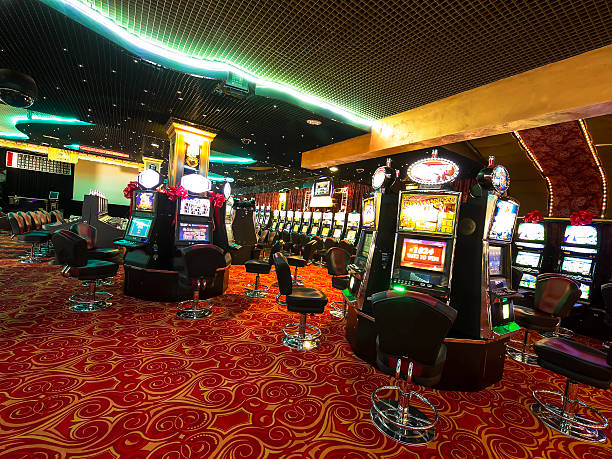
Conversely, a more subdued environment may foster a sense of caution and reflection. Players in quieter settings may be more inclined to evaluate their strategies and decisions critically, thereby reducing the emphasis placed on luck. This shift in mindset can lead to more responsible gambling practices, as players weigh their actions against the odds rather than relying solely on luck. Understanding how the environment affects perception can be key to managing gambling behavior effectively. A calm atmosphere can allow for better decision-making and a more analytical approach to gameplay.
Cultivating an awareness of one’s surroundings can significantly alter a gambler’s experience. By recognizing how environmental cues can impact emotional states and decision-making processes, players can work towards creating a more balanced approach to gambling. This awareness can empower players to make informed choices rather than impulsively reacting to perceived luck or misfortune. Developing a critical eye towards the gambling environment can ultimately lead to more enjoyable and responsible gaming experiences.
Empowering Gamblers Through Education
Education plays a crucial role in dispelling the myths surrounding luck in gambling. By providing concrete information on how games operate, the odds involved, and the random nature of outcomes, players can develop a more realistic understanding of what influences their success. This understanding can ultimately lead to more informed decision-making and create a healthier gambling culture where knowledge replaces superstition. For instance, educational programs that break down the mathematics behind games can demystify the allure of luck, encouraging players to think critically about their strategies.
Numerous organizations and resources have emerged, aimed at enlightening players about responsible gambling practices. Workshops, online courses, and informative content can equip individuals with the tools necessary to approach gambling with a more statistical mindset. Gamblers who are educated on these aspects are more likely to avoid the pitfalls of emotional gambling based on myths of luck and fortune. By promoting a culture of knowledge, the gambling community can shift the focus from luck-driven narratives to strategies based on understanding and skill.
Moreover, fostering a community that encourages dialogue about gambling experiences can further empower players. Sharing knowledge and experiences can help debunk long-held beliefs about luck and build a supportive culture focused on responsible gaming. In this environment, players are less likely to fall prey to myths and more inclined to enjoy gambling as a form of entertainment rather than a desperate pursuit of luck. Creating forums and spaces for discussion can enhance collective wisdom and provide a platform for players to learn from one another.