
Exploring the cultural significance of gambling in diverse societies
Historical Context of Gambling
Gambling has ancient roots, with evidence of its practice dating back thousands of years. In cultures across the globe, from Chinese dice games to Roman betting practices, gambling has served not only as entertainment but also as a means of social interaction. Archaeological finds, such as betting tokens from ancient Mesopotamia, illustrate that the desire to wager has been part of human civilization for millennia. The historical context provides insight into how gambling evolved, reflecting societal norms and economic structures.
Throughout history, gambling has been intertwined with various cultural rituals and events. For instance, in some Indigenous cultures, games of chance were incorporated into communal gatherings, often tied to spirituality or storytelling. This blend of gambling with cultural expressions indicates its role beyond mere chance, serving as a vehicle for cultural continuity and communal identity. By analyzing these practices, we can see how gambling mirrored societal values and priorities over time.
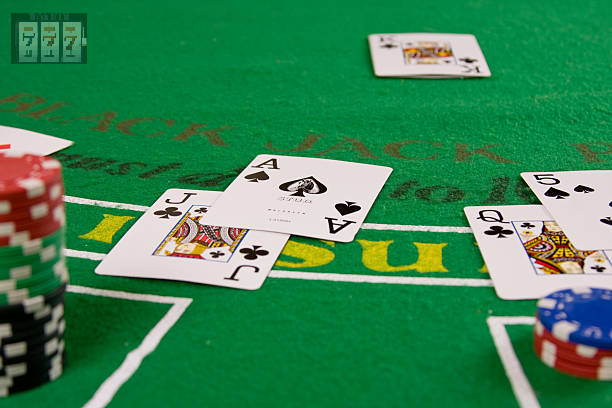
As societies evolved, so did the regulatory frameworks surrounding gambling. In medieval Europe, gambling was often restricted to nobility and seen as a vice by the Church. In contrast, the rise of casinos during the 18th and 19th centuries marked a shift towards a more inclusive approach to gambling. This transformation showcases the dynamic nature of gambling, evolving with societal changes while maintaining its cultural significance.
Gambling as a Social Activity
In many societies, gambling is not just an individual pursuit but a collective social activity. For example, family gatherings and community events often feature games of chance, fostering bonds among participants. This communal aspect can be seen in poker nights or sports betting pools, where interaction is as critical as the outcome of the game. These gatherings contribute to a sense of belonging, reinforcing social ties through shared experiences.
Moreover, gambling events often serve as catalysts for cultural celebrations. Festivals centered around gambling, such as the annual horse racing events in various cultures, highlight how these activities can bring people together. Whether through betting on races or participating in games, these events showcase community spirit and pride. The social dimensions of gambling reveal its role in enhancing cultural practices and traditions.
Furthermore, the advent of online gambling has transformed social interactions, allowing individuals to engage in gaming with others around the world. Virtual platforms enable communities to form around shared interests, bridging geographical divides. This evolution illustrates how gambling adapts to modern social dynamics while continuing to fulfill its role as a communal activity, fostering connections and enhancing cultural significance.
The Psychological Aspects of Gambling
The psychological motivations behind gambling are multifaceted and significant. For many, the thrill of risk and uncertainty can provide an adrenaline rush that is difficult to replicate in daily life. This psychological element often influences the cultural perception of gambling, with many viewing it as a form of escapism. In various societies, the idea of luck and fate plays a crucial role, impacting how individuals approach gambling and their belief systems surrounding it.
Moreover, the psychological effects of gambling can lead to both positive and negative outcomes. While some may enjoy the excitement and sense of achievement from winning, others may struggle with addiction, resulting in social stigma and legal issues. Different cultures have diverse responses to these consequences, often shaping the discourse around responsible gambling and its regulation. Understanding these psychological factors is vital in addressing the complexities of gambling culture.
Therapeutic approaches to gambling addiction have emerged in many societies, reflecting a growing awareness of the mental health aspects associated with gambling. Support groups and counseling services aim to educate individuals about the potential risks involved and help mitigate negative outcomes. This growing emphasis on mental health reveals a shift in cultural attitudes towards gambling, highlighting the need for responsible gaming practices while still recognizing the activity’s cultural significance.
The Economic Impact of Gambling
Gambling plays a significant role in the economy of many nations, contributing to employment, tourism, and public revenues. In jurisdictions where gambling is legal, it often provides substantial tax income that supports public services. For instance, numerous states in the United States rely on gambling revenues to fund education and infrastructure projects, highlighting its economic importance. This financial aspect further underscores the cultural significance of gambling, intertwining economic benefit with societal acceptance.
Additionally, the tourism sector often thrives on the presence of casinos and gambling facilities. Regions known for their vibrant gambling scenes attract millions of visitors each year, contributing to local businesses and economies. The allure of unique experiences and entertainment draws tourists who engage with both gaming and the surrounding culture. This blend of economic development and cultural exchange illustrates how gambling can enhance a community’s identity.
However, the economic benefits of gambling are not without challenges. Issues such as problem gambling can lead to societal costs that may outweigh financial gains. This duality often spurs debates on the regulation and ethical implications of gambling industries. Balancing economic advantages with social responsibility remains a critical aspect of the conversation surrounding gambling’s cultural significance, revealing the complexities of its impact on society.
BigClash Casino: A Cultural Perspective
BigClash Casino represents a modern embodiment of gambling’s cultural significance, especially in the digital age. As an online gaming platform, it reflects the evolving landscape of gambling, where traditional practices meet technological advancements. The casino offers a vast array of games, allowing users to engage with diverse forms of entertainment from the comfort of their homes. This accessibility changes how individuals perceive and participate in gambling, integrating it further into contemporary culture.
The platform not only focuses on user experience but also emphasizes responsible gambling practices. By providing resources and support services, BigClash Casino acknowledges the cultural impact of gambling and the importance of mental health awareness. This commitment to responsible gaming resonates with modern society’s growing focus on wellness and ethical considerations, showcasing how cultural significance can evolve with changing norms.
Furthermore, the casino promotes a sense of community among players through interactive features and tournaments. Engaging with others in a shared virtual space mirrors traditional gambling gatherings, reinforcing social connections. In this sense, BigClash Casino is not just a gambling site but a cultural hub that reflects the broader themes of connection, entertainment, and responsible practices in the world of gaming.